Lucidchart Onboarding

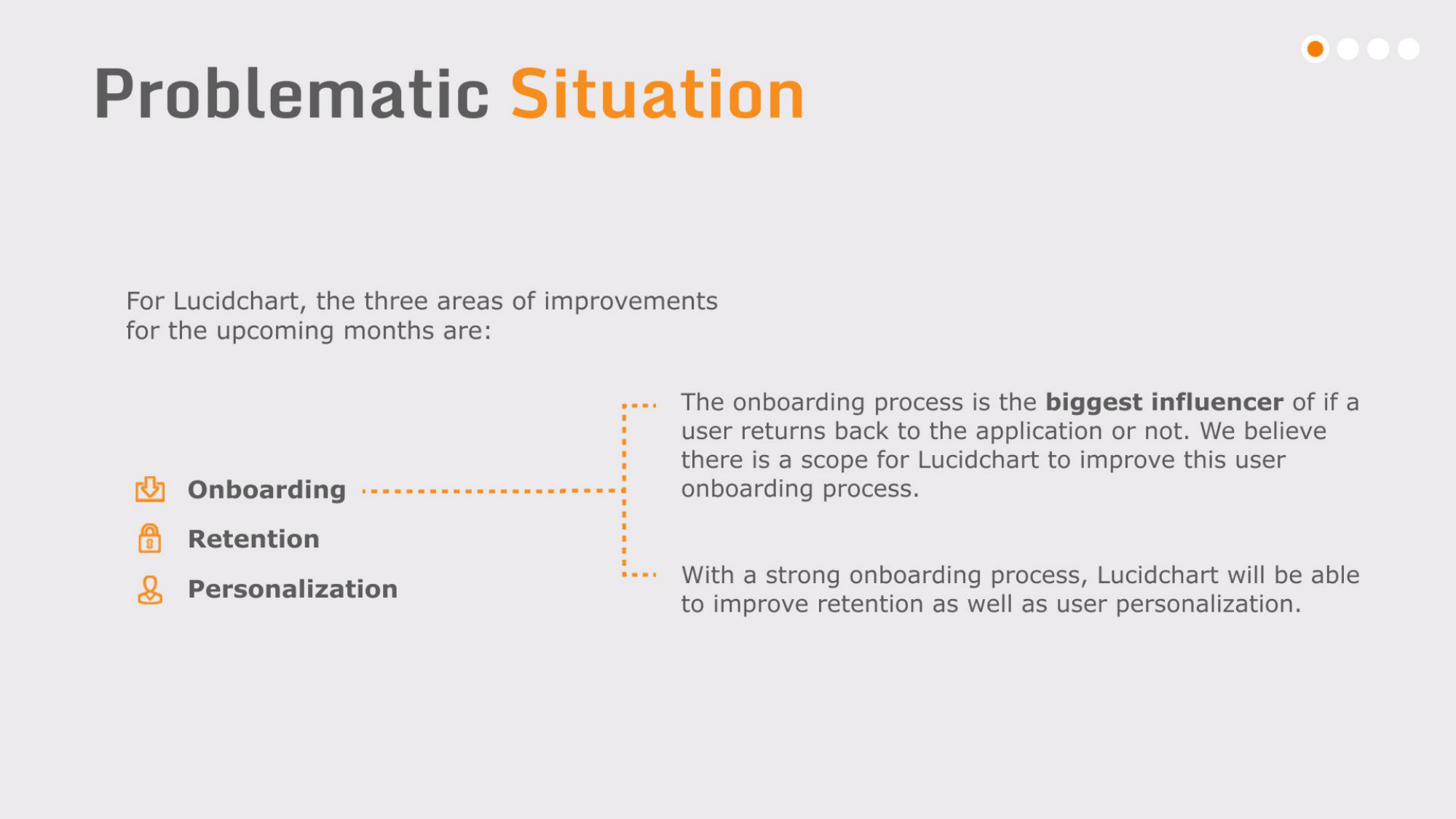
Redesign Lucidchart's onboarding process to improve its user retention and attract student users.

Role

Researcher
UX designer

Team

2 UX designer&Researcher
2 Engineer
Lucid UX Team

Tools

Figma
Photoshop

Timeline

Sep, 2020 - Apr, 2021

Project Background

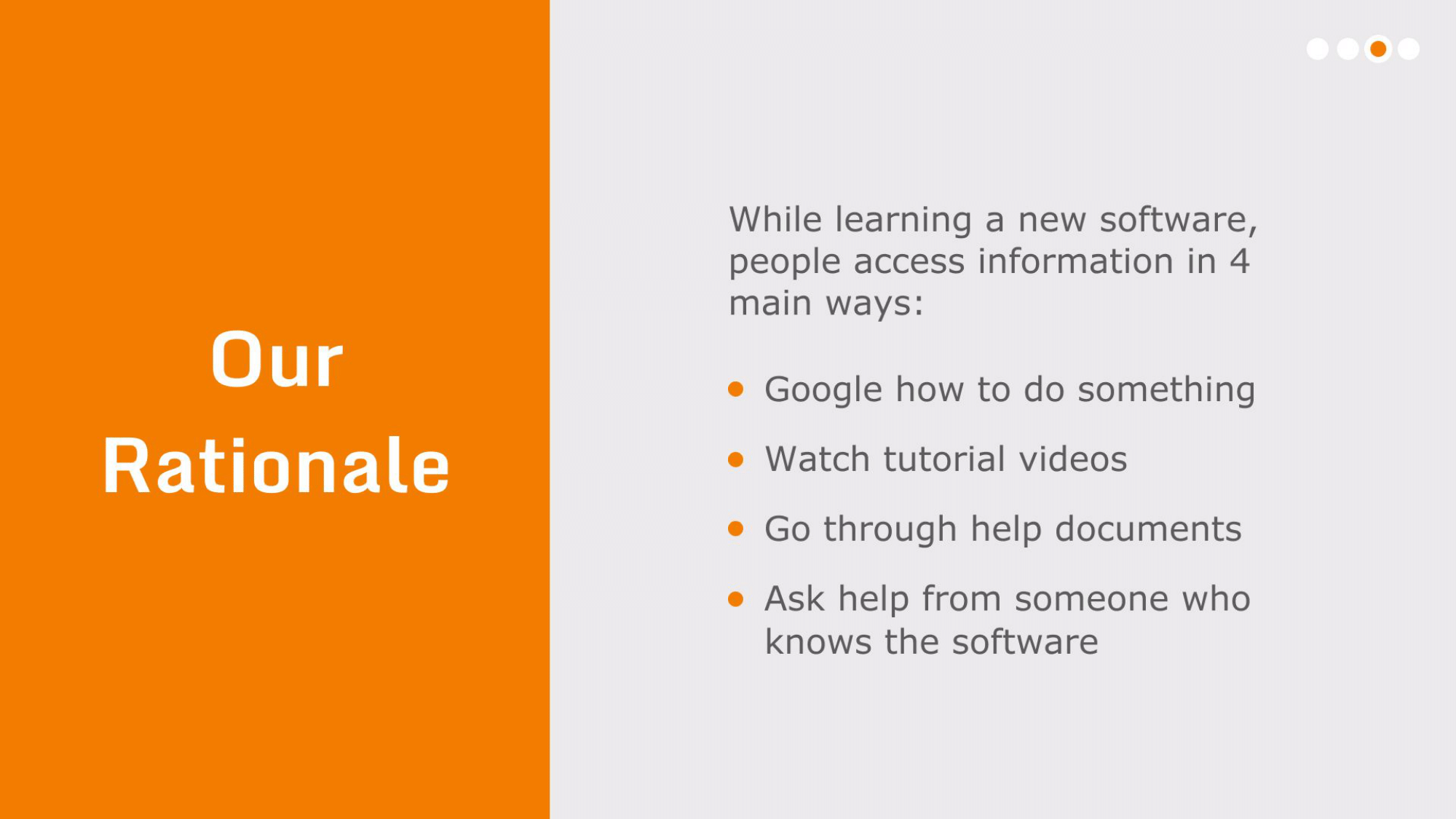
Lucidchart is an intelligent diagramming application which aims to help everyone, no matter what knowledge level of diagramming they have, to communicate their ideas and collaborate with others via diagrams.

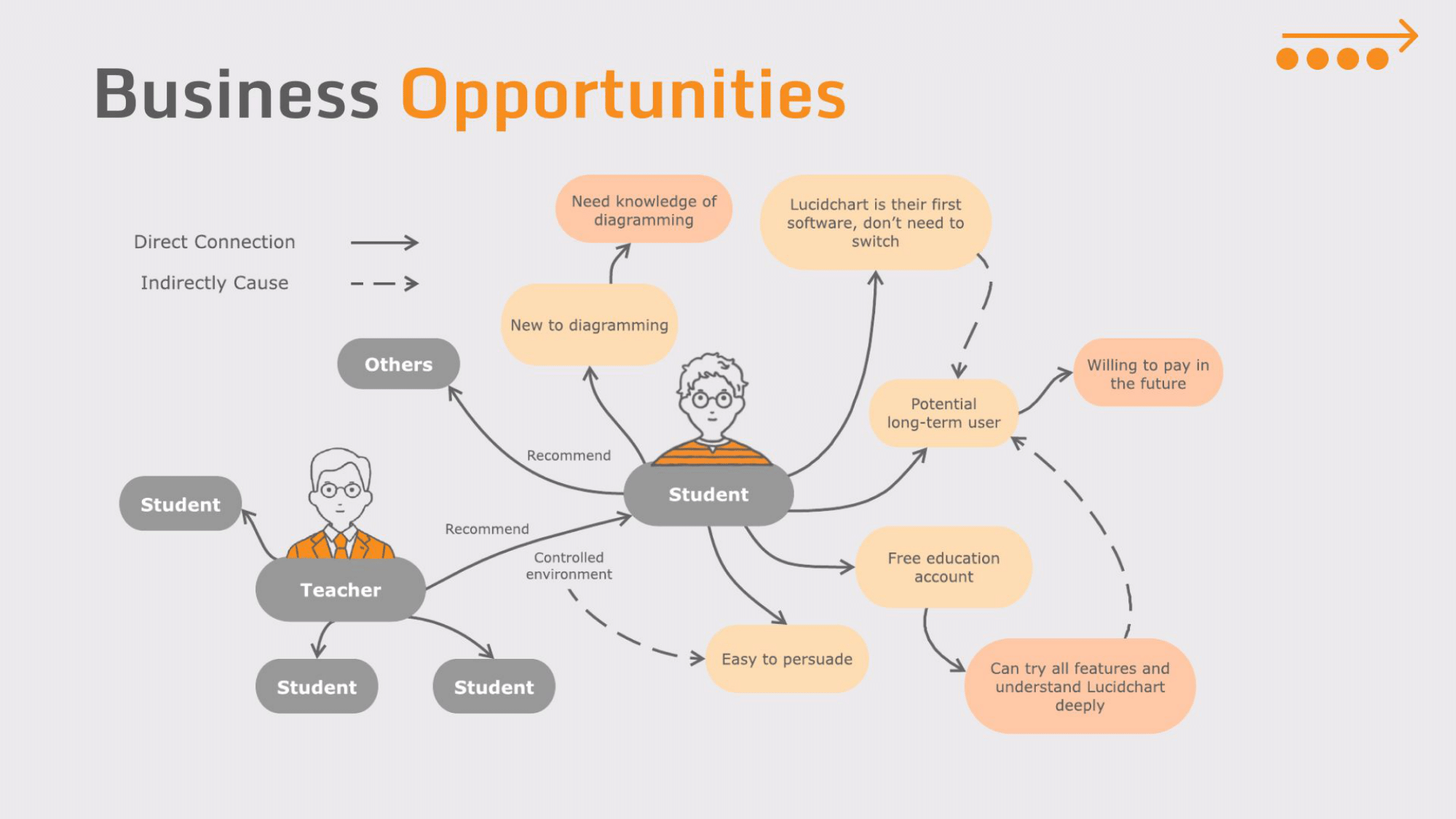
With 14000 new users signing in and try Lucidchart every day, to attract more users, increase its user retention and engagement, Lucid wants to improve its onboarding experiences to help users become familiar and productive with the product in no time. That's the problem space we have and where we start.

Let's see what we did

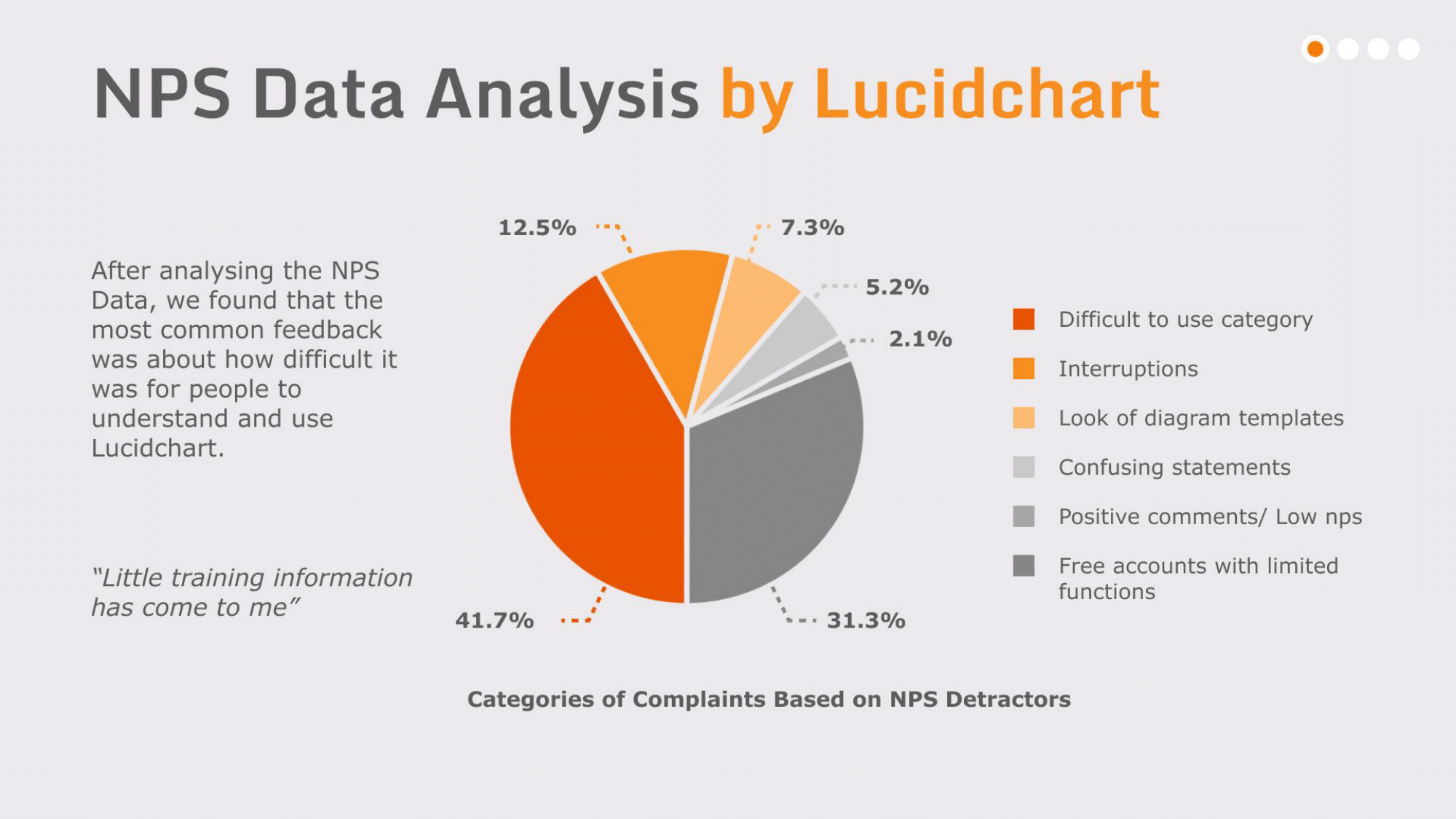
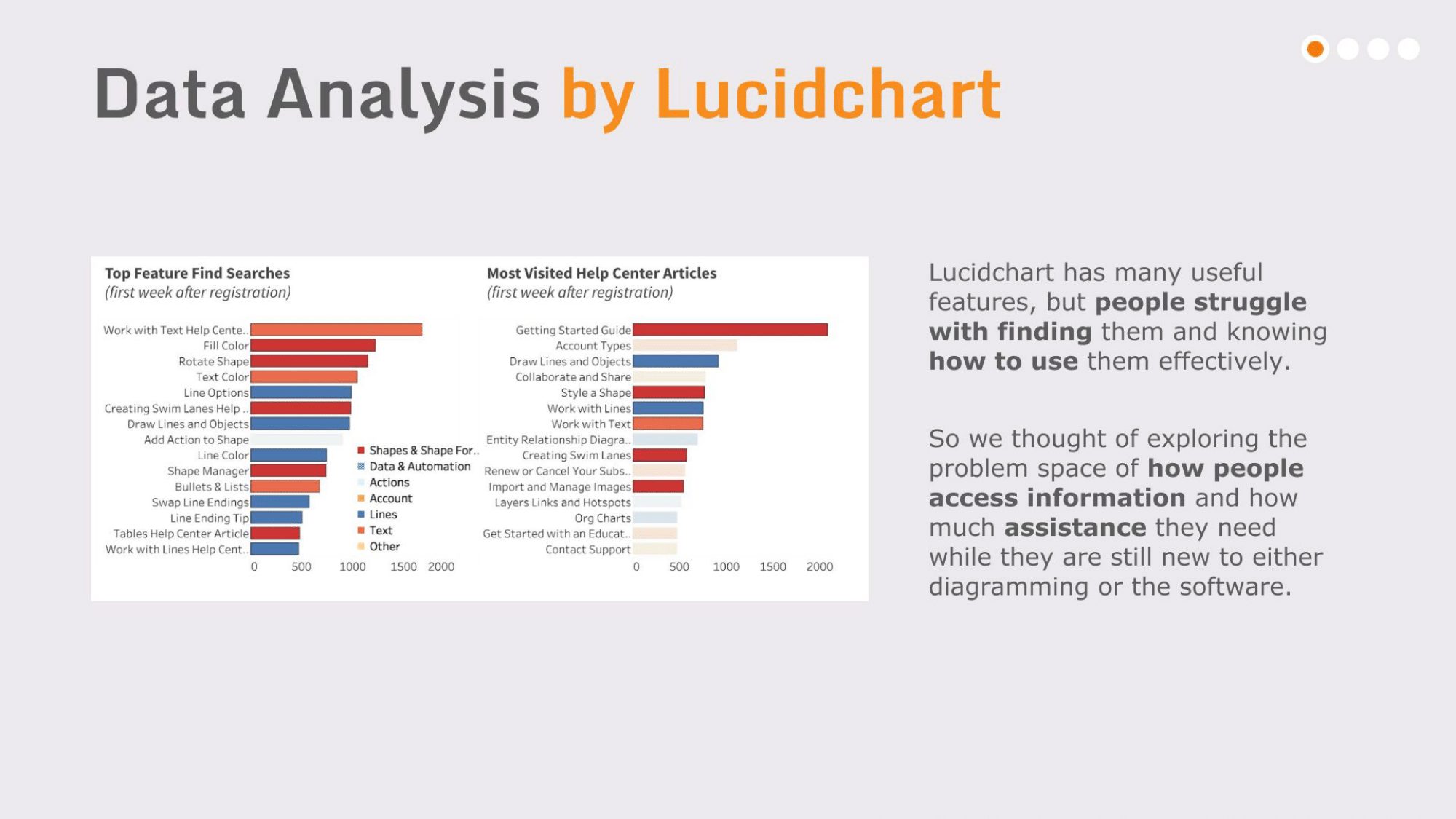
Phase 1: Quantitative Analysis

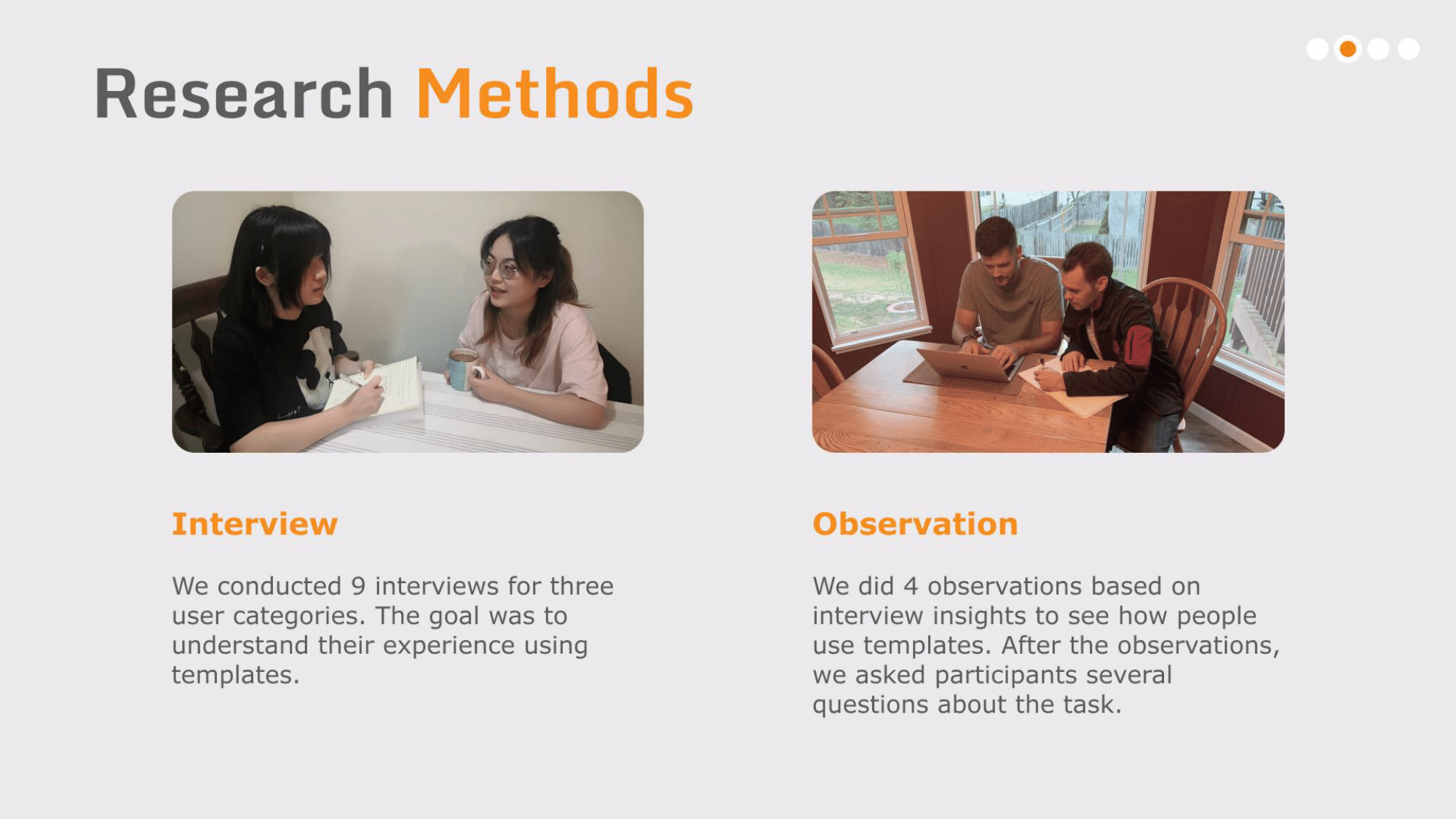
Phase 2: User Research

Phase 3: Design

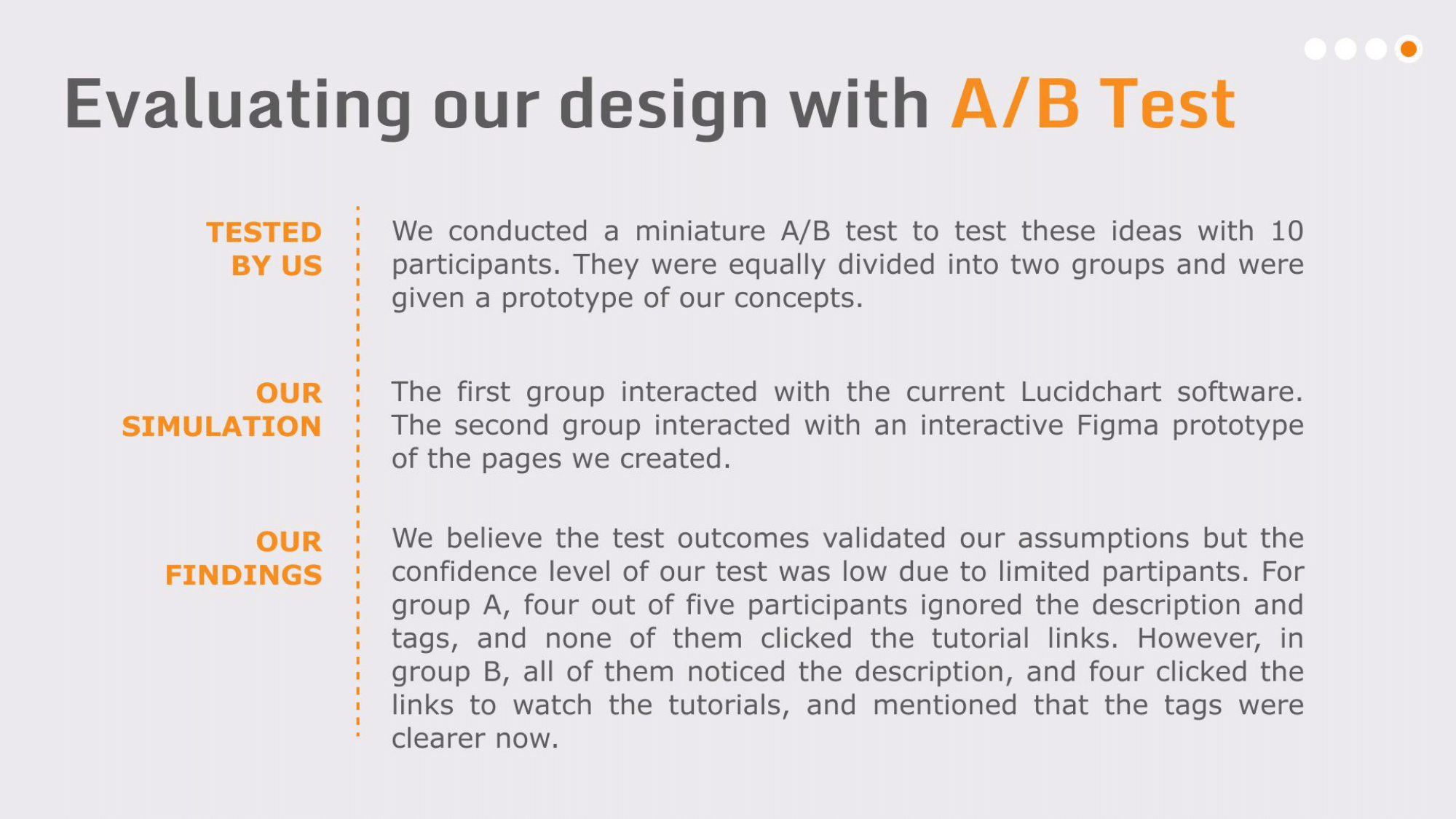
Phase 4: Testing

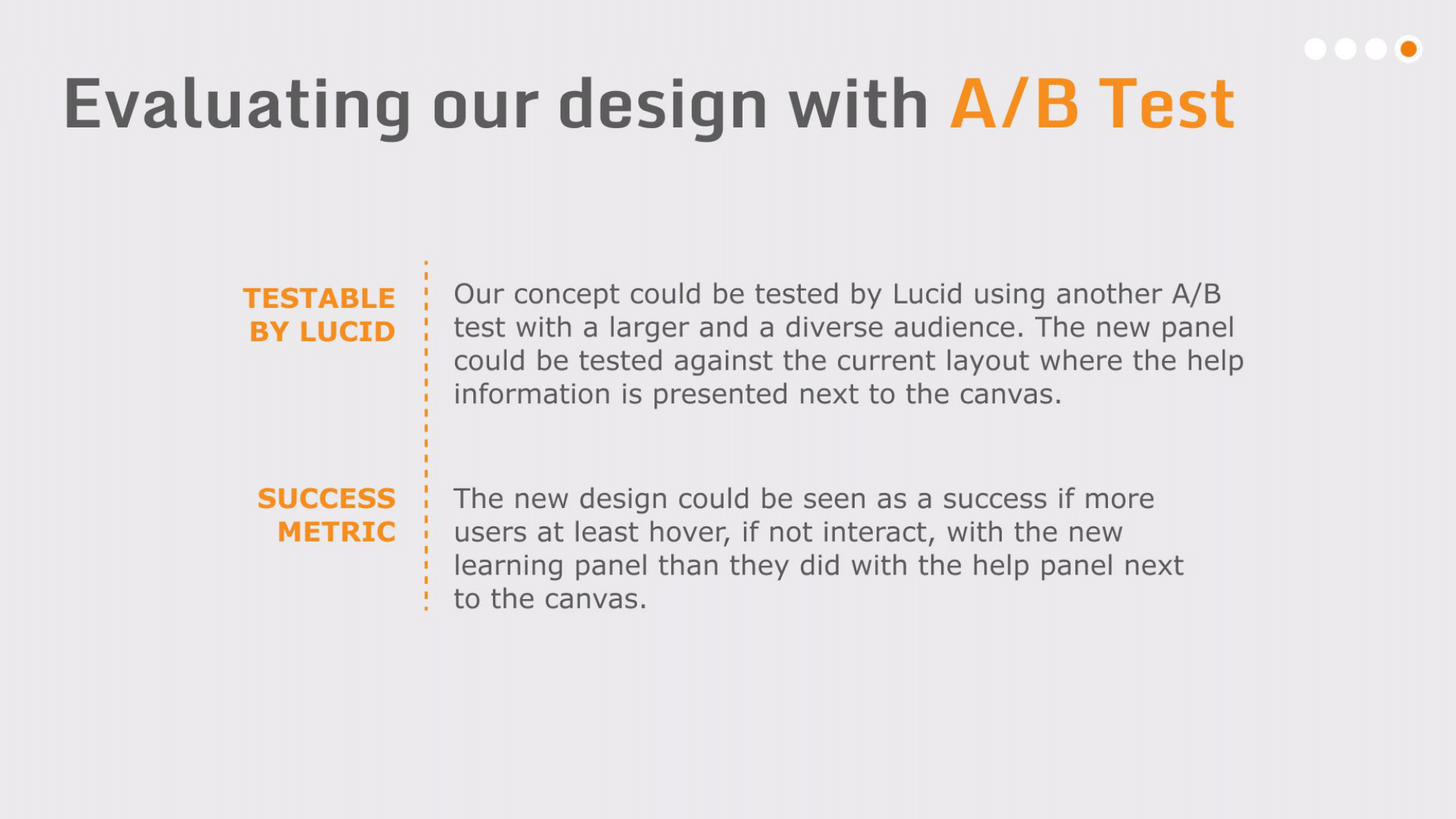
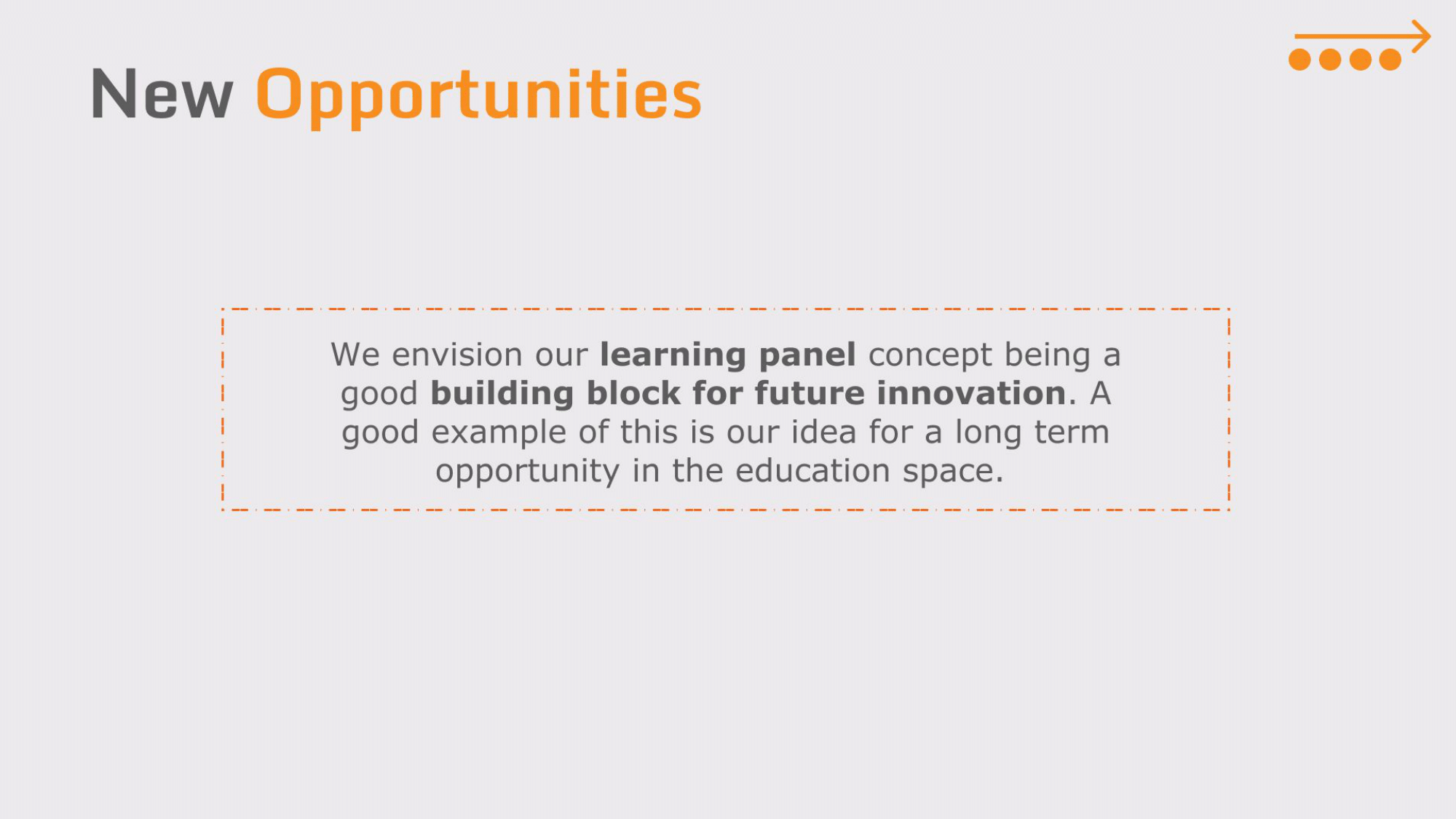
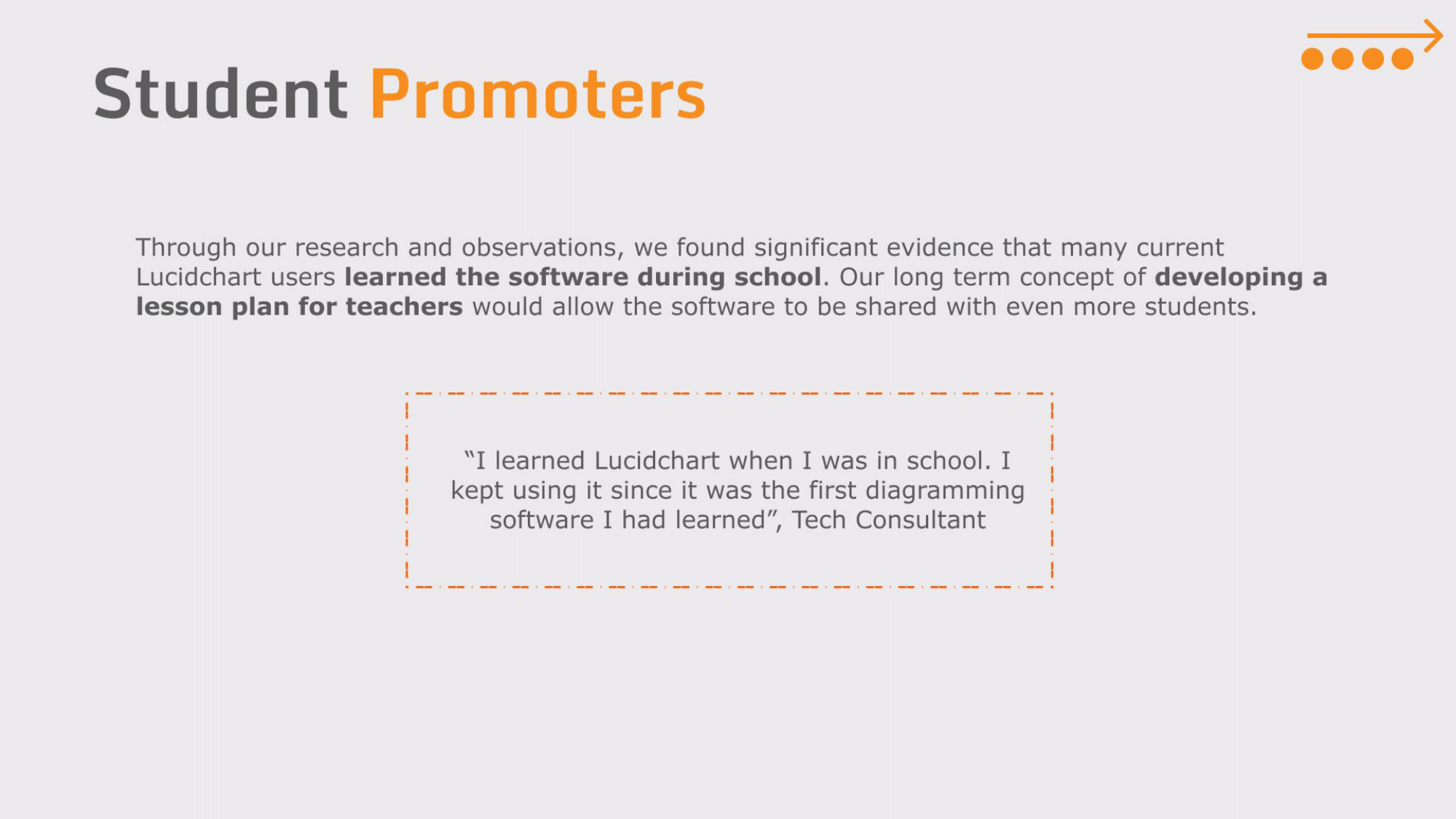
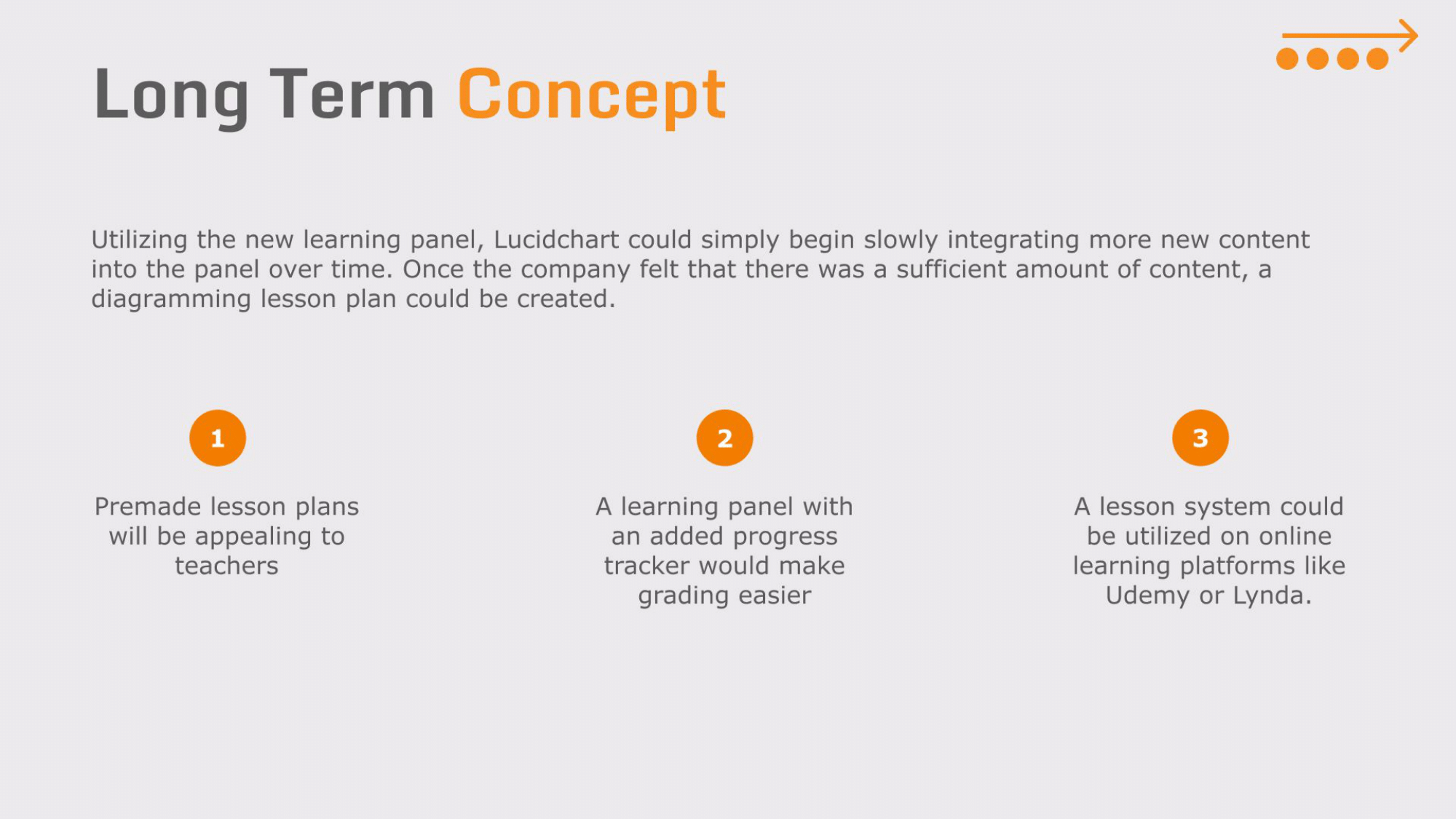
Phase 5: Long Term Evaluation

What I Learned

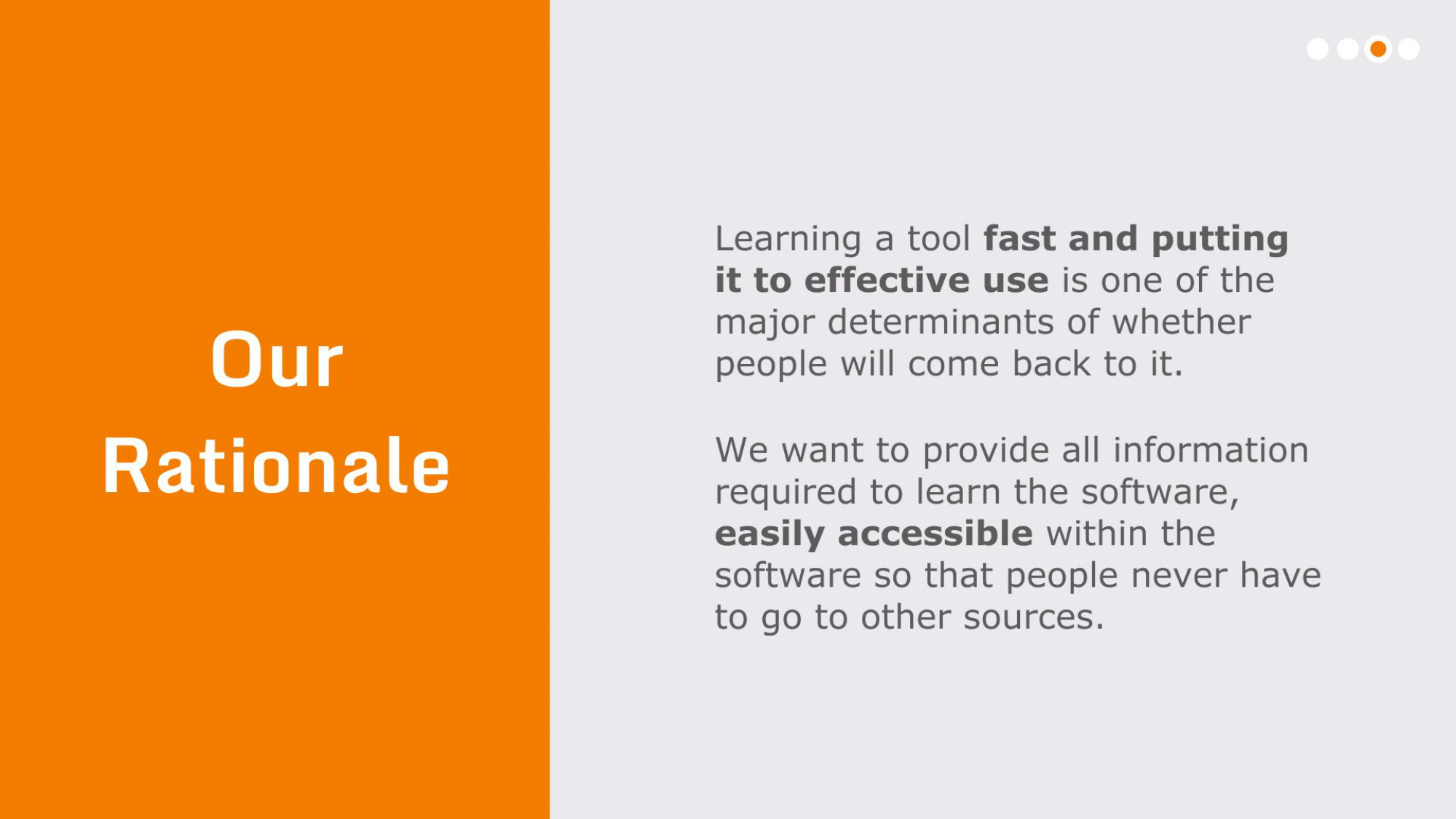
Think bigger in terms of user experience

hough the problem space is improving Lucidchart's onboarding experience, onboarding is not an individual part which is separated from other experiences. We still need to view the design from the perspective of whole Lucidchart's user experience, think of the design space in bigger picture and make the smooth experience.

Detach ourselves from UI

The core of UX design is experience instead of UI. UI is serving for user experience. So we need to detach ourselves from the usability issues and think of what kind of experience users need and what experience Lucid what to provide. With this guide, we can find more design opportunities and finally locate painpoints on interfaces better.

Understand what business' requirement

While we design, besides users' needs, we also need to take into account the desire of our client as a stakeholder at first. Whether they want to get long term concepts or short term changes, what specific goal they are looking for, etc., these are all questions we need to make sure with the client. It's also important for designers to guide them describe their specific requirements and extract core points.